
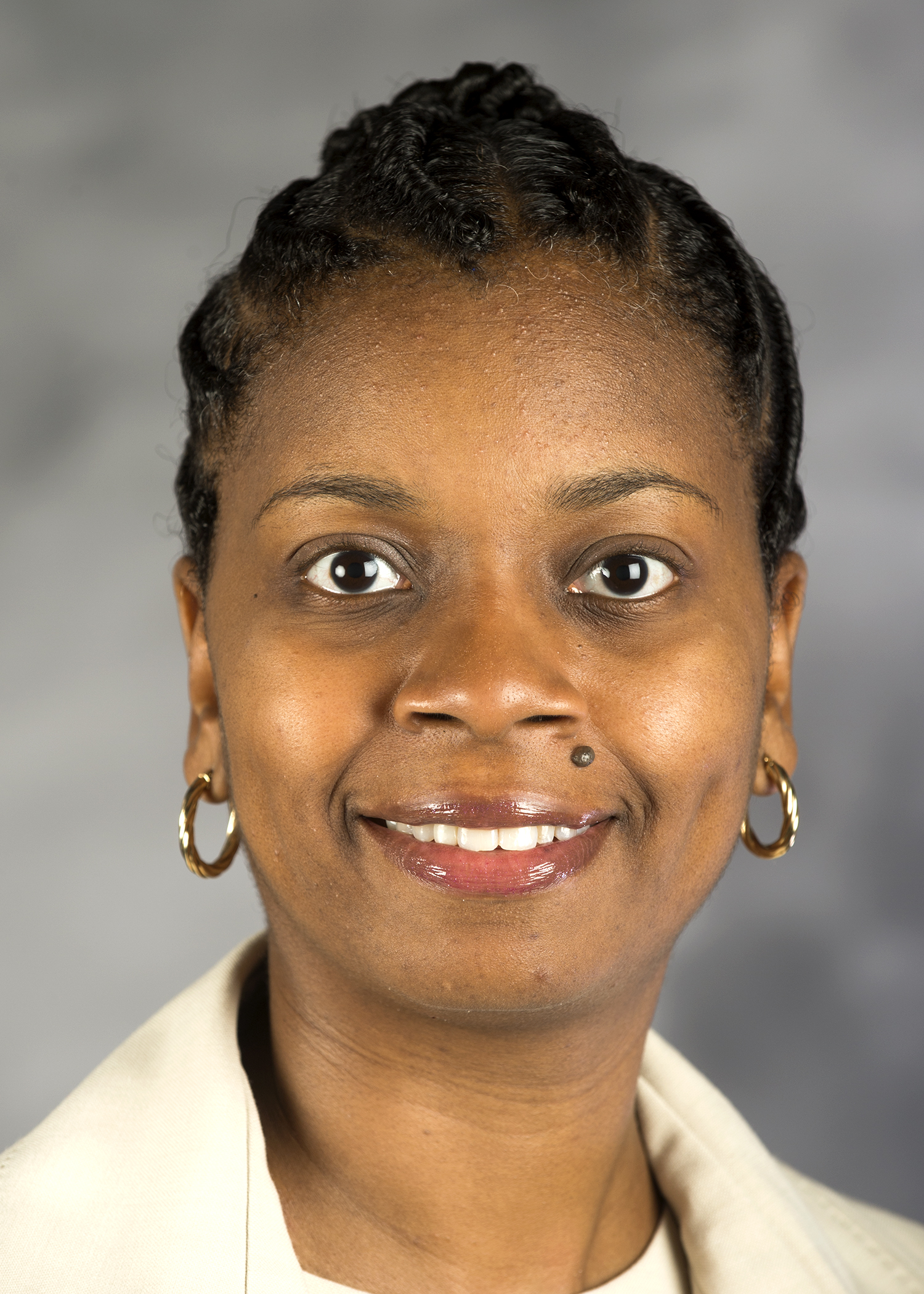
Catie Byrne
Features Editor
In “The School-to Prison Pipeline Is Institutional Racism,” Alexander Reynolds of the Huffington Post defines the school-to-prison pipeline as, “A no-nonsense trend in American education, where children are directed straight from the classroom and into the bureaucratic clutches of the criminal justice system.” To provide insight regarding this phenomenon, The Carolinian interviewed Dr. Tara Green, director of UNCG’s African American and African Diaspora studies.
——————————-
Q: What do you think needs to be done to circumvent the system of disenfranchisement in the prison system when the system of antiblack racism exists to uphold that?
A: “So, some of what is on the table is, we know that we have mandatory sentencing, former President Bill Clinton recently in 2015 had the whole three strikes you’re out and along with that came mandatory sentencing, and so he recently apologized for that because you know because 15-20 almost about 20 years later, we can see the ongoing effects of that and so some of those questions are on the table.
What can we do through the judicial system, what can you do at the federal level through executive orders to try to address these mandatory sentencing that put maybe low level individuals who may have an addiction, who maybe involved in crimes that don’t involve mass killings and so on and so forth, how can you address that? And if people are poor, certainly they don’t have access to attorneys that will help them to get out of situations; we just saw that with the whole affluenza deal, right?
We see a young white male who actually killed individuals because he had access, and because of that access,was able to make an argument, and we can just see that. Now, how often does that happen for someone who’s poor, and how often does that happen for someone who is a person of color in this country. Not often, at all. So, addressing those kinds of things, some people would advocate that the prison system be abolished all together, you know.
I’m not sure that I advocate for that one way or the other but I think, really understanding how arrests happen, and that people we know are profiled, and studies have been done recently through the justice system, to know that some individuals for Ferguson, the Ferguson report, where, black people were being disproportionately stopped, ticketed, if they could not pay for those tickets they found themselves in jail, and we understand that the city was actually making money off of those arrests, so we know that it starts at the lower level, in terms of how people are chosen for arrests and for ticketing, and it goes through in terms of the sentencing, and then the longer affect is if people are able to get out at a certain age, then how do they find employment, how do they have access to education because they don’t for federal funding, they may not have access to jobs.”
——————————
Q: So, you said you don’t necessarily advocate for prison abolition, do you believe there are any kind of viable alternatives?
A: “That is certainly a system that needs to be reformed, but I’m not so sure that the prison system itself is the problem, the problem happens long before people end up in prison. And so that’s a major concern, the ways in which people are targeted and arrested, and find themselves in jails, for city purposes or in prisons.
Then of course, some of what occurs in the prison, so, for example, Angola Prison, I always point to Angola, because I’m from Louisiana, and I know people who have spent time in Angola Prison, which is very famous, we know that there are people there, that is a confiscated land from plantation slavery days, so we understand that if we look at the historical connection, that people are doing some of the same work in Angola, that they were doing a couple hundred years ago, during the slavery era. So, clearly, if the purpose of prison is to rehabilitate, and rehabilitation services are not available, then when people get out, they are more likely to go back in.
So, making sure that people have access, that people are being treated like human beings, is extremely important, and we have been able to read from people who have been let out, and we have heard through interviews and so on and so forth, that that’s a challenge, that that does not always occur in a variety of ways.”
——————————-
Q: How do you think the issue of the pipeline as a system which facilitates incarceration needs to be addressed and reformed?
A: “The pipeline obviously it starts early, so the ways in which people are treated; how little black boys are treated, how little black girls are treated, how someone who is poor is treated, regardless of race is treated, very early on, particularly in the school system, has a lot to do with how they feel about themselves; the kinds of things that they hear, and the kinds of options that they are given.
So if a child is told very early on you’re not going to amount to anything, or your options are few, you should be thinking about doing this, rather than that, this may be, just sort of passing along, and maybe getting some sort of training in one area, rather than also having the option of thinking about college, university level training, then those kids, very early on, are told that your life is not valued. Your life is not worth much.
Really; not their life, because labor is attached to life, that their mind isn’t valued, and that’s simply it, that your mind is not valued. Your ability to produce is valued; you can produce in prison, you know, but you don’t necessarily have to think while you’re in there. And so, and in fact are discouraged to, so that can be a pattern, and some, I know many people who are actually University Professors or even students here on our campus who understood, very early on, that they were not supposed to go past a certain level in life, they felt targeted. They felt that they were being pulled into the principal’s office and may be suspended more often, in fact, in comparison, if they were an integrated schools, which is a whole other issue by the way, if they were integrated schools that they were being treated differently than their white counterparts.
And so, once people begin to process that out of bed very early age, then we begin to ask questions about how people respond to that, and some people can give up, some people can with rebel, some people can resist, and follow one path or the other, and so I think of that brings us to really where we are in terms of these questions about the prison system, and how people end up in prisons or in jails, it could be the behavior or it could be that they have been taken in placed, and because not everybody there is guilty of committing a crime, and there are always stories that go along with people who have committed crimes.”
——————————-
Q: Do you believe the pipeline has gotten better or worse? I think of cases like Trayvon Martin, and the propensity for perpetrators for the death of black children, for black people are not usually incarcerated, how do you feel about that?
A: “I believe that there is always a fear, regardless of the age that so many people of African descent share many people of African descent share, that they will end up being killed, through no fault of their own or imprisoned, but killed is really quite major, and so if we look at the case of Sandra Bland that occurred in Texas, she had a job she was in that area because she has been hired at a university in fact was very happy about that, and then a couple of days later, after she’s been arrested and her family is trying to come up with the bail, and the arrest was at the discretion of the officer, so that’s where the fear comes in, because you don’t know what can happen when you get pulled over.
Some of us have more of a fear than others, I certainly have a fear, particularly after seeing Sandra Bland. And she asked a question, ‘why am I being pulled over,’ she was told that she had an attitude problem, and next thing you know, she’s hanging from a jail cell; she’s dead. Now, whether she took her own life or not, which is quite probable, or the circumstances created a situation by which, her life was taken. Who is responsible for that? We can argue about that; the fact of the matter is that a black woman was pulled over for a minor traffic stop, and is now dead. So, again, if we think about the pipeline, there was a time where this was happening quite often, but there was no one taking video, there was no one really recording that.
We had to go based on, what someone would say, someone like Fannie Lou Hamer, who was arrested just for trying to vote in Mississippi, and she talks about the experience of being hit, multiple times by a man, and the shame she felt, as her dress began to ride up around her waist, now this was a woman who worked on a plantation for a living, and she was willing to put her life in danger, knowing that she was going to go in jail, and not knowing whether or not she was gonna come out, because again, that fear was there.
So, the pipeline has always been there, has it gotten better, I don’t know, we can sit around and look at numbers, and data, and kind of argue about this and that, that helps us kind of understand the situation, but as long as it’s there, and one person is at risk, it’s still a problem.”
 THE CAROLINIAN