
Sophia Sousa
News Writer

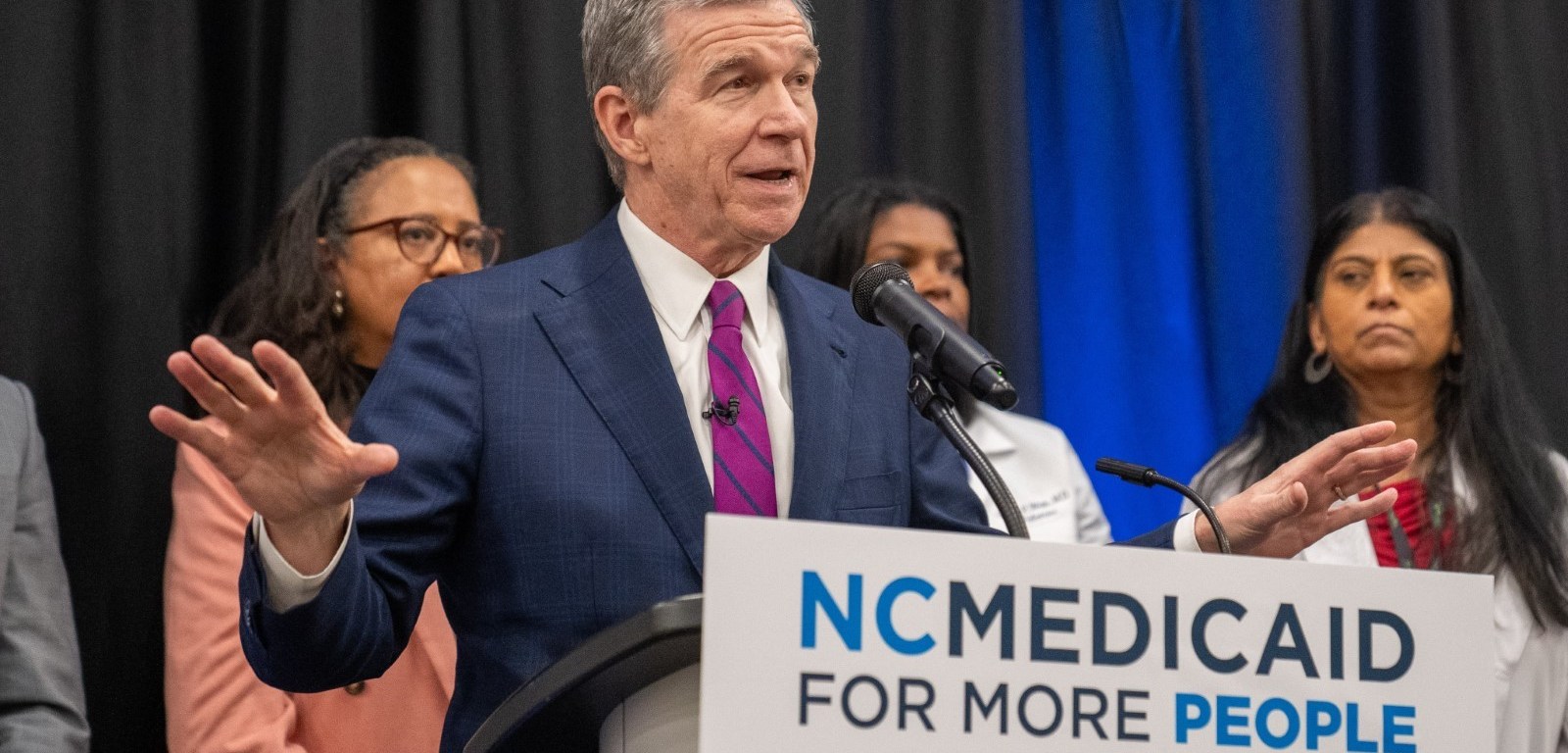
On Dec. 1, 2023, Governor Roy Cooper announced that the North Carolina Department of Health and Human Services (NCDHHS) would launch a Medicaid Expansion. This expansion has been in the works for a few years, with numerous leaders expressing concerns about the costs.
State senate leader Phil Berger, who initially opposed the expansion, announced his approval in 2022, and North Carolina became the 40th state to implement the program. Berger believes this expansion will be a positive change for the state, saying, “Every attempt in Congress and by the courts to reverse the ACA and Medicaid expansion has failed. It’s not going away and refusing to accept that reality hurts North Carolinians and the state’s finances.”
The expansion is already helping individuals extend their health insurance and get better access to medical care. “This means better health care, including those with mental health and substance use disorders, hope for rural hospitals struggling to stay open and billions of dollars for our economy. This action is long overdue, and we aren’t wasting a moment in beginning enrollment in North Carolina,” Governor Cooper said.
North Carolina Medicaid pays for yearly check-ups, emergency care, and doctor’s visits, covering most of the costs for low-income individuals and families. According to the new benefits, the few services that do require an out-of-pocket expense should usually be no more than $4.
According to the Centers for Disease Control and Prevention (CDC), in 2021, “Nearly 25 million working age adults in the United States (ages 18-64) were without health insurance.” North Carolina, Georgia, and Texas had the highest rates of uninsured individuals.
Since the Medicaid expansion became available to North Carolinians, nearly 350,000 individuals have enrolled and started benefiting from this health coverage, including some who were not eligible. Adults aged between 19 and 64 earning up to 138% of the federal poverty line are now eligible for Medicaid. Additionally, U.S. citizens or individuals with certain immigration statuses are eligible for this coverage. Individuals can apply in person or online through North Carolina ePASS.
On Feb. 16, Governor Cooper, NCDHHS Secretary Xavier Becerra, and NC Health and Human Services Secretary Kody H. Kinsley held a roundtable in Raleigh to discuss the expansion’s impact in the two months since it launched. “Folks are getting covered and they’re also getting care—seeing providers and finally being able to afford life-changing prescriptions for illnesses like asthma, high blood pressure, and seizures,” Kinsley said. “We’ve been able to increase access to behavioral health services through critically needed investments made possible by the Medicaid Expansion signing bonus from the federal government.”
Newly eligible North Carolinians, who may have been struggling with payments and access to health care, can now access the necessary medicine. Since Dec. 1, 2023, Medicaid has covered more than 265,000 prescriptions and “more than $4.8 million in claims for dental services.”
With the success of the Medicaid Expansion, President Joe Biden congratulated Governor Cooper and officials for their hard work. “Every American deserves high-quality affordable health care,” Biden said. “Today, we are one step closer towards meeting that promise, as 600,000 North Carolinians can now access the affordable, quality coverage they need under Medicaid. Thanks to Governor Roy Cooper’s years of leadership, in partnership with bipartisan elected officials, North Carolina is the 40th state to expand Medicaid under the Affordable Care Act.”
The Medicaid Expansion Dashboard tracks how many people are enrolled in Medicaid since the new program. The dashboard includes demographics and county-specific increases of insured people. State officials hope they can continue to help more people and transform health care in all parts of North Carolina.
 THE CAROLINIAN