

Myo Thiha
Opinions Editor
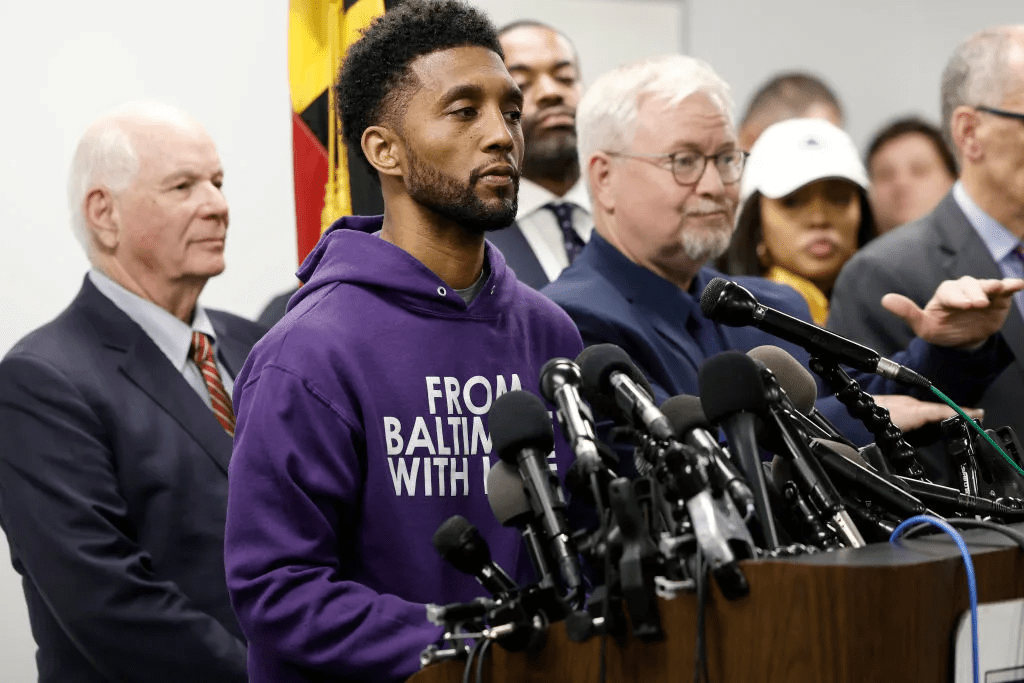
Baltimore Mayor Brandon Scott. Photo credit: Anna Moneymaker/Getty Images
On March 26, 2024, at 1:28 a.m., a cargo ship collided with the Francis Scott Key Bridge in Baltimore, Maryland, causing the bridge to collapse. The calamity was caught on video, and the initial focus around the incident remained on saving as many people as possible and discovering the cause of the accident. The discourse, regrettably but predictably, turned into trite dog-whistling and outright racism.
As Baltimore Mayor Brandon Scott spoke to the media, the conversation shifted to diversity, equity, and inclusion (DEI) initiatives. Many individuals on social media seemed affronted by Scott just because he is Black. Right-wing trolls on social platform X called Scott a “DEI mayor” and made racist memes. Not only was the comment factually untrue, as he won 70% of the vote, it was intended to rile a base that looked to blame this tragic incident on Black people. Another tweet contained an image of Scott with the caption “Baltimore’s actual mayor,” followed by comments poking fun at his appearance and his dialect.
What these comments imply is that Black people do not fit the conservative perception of what an elected official should look like. They also coopt DEI to be a new racial slur directed at Black Americans. The appropriation of words and turning them into slurs isn’t anything new, as terms like “CRT,” “woke,” and “thug” have previously been used as racial epithets. Mayor Scott responded to these comments, saying, “I know, and we know, and you know very well, that Black men, and young Black men in particular, have been the bogeyman for those who are racist and think that only straight, wealthy white men should have a say in anything.”
However, in an act of defiance, Black Americans have found a way to fight against the racist overuse of DEI: humor. To dismantle a weapon for othering and marginalization, Black folks have turned it into a joke to mock those who intend to harm. DEI started trending on X, with many jokes and memes referencing song lyrics and slang around the term. This process is called reappropriation, which is nothing new in the Black community as resistance against oppression.
DEI is nothing new; it has been around for decades, with origins spanning to the Civil Rights Movement in the 1960s. The U.S. government initially created diversity, equity, and inclusion programs to create workplaces where more people can thrive. However, critics of DEI initiatives have said the practice is discriminatory against white Americans.
What are diversity, equity, and inclusion programs like on college campuses? For UNCG, the call to action for our DEI initiative is for it to be more than just a feel-good slogan and be a part of the university’s DNA. The UNCG DEI resource page provides students with tools to recognize where diversity initiatives may benefit the community. The program showcases where change occurred and areas where progress is lacking and change is needed.
According to the Faculty Diversity Dashboard, the university still needs more diversity in the faculty. It is disconcerting that 70% of the faculty are white, compared to 44.1% of students. While white faculty may have the ability to teach a multicultural student population, it is still a referendum on who gets hired, promoted, retained, and tenured.
The UNCG Faculty Senate Equity Task Force addresses the issues of an underrepresented faculty base by “exploring the perspectives of faculty and staff of color through qualitative interviewing and examining the history of university-level efforts toward equity, diversity, and inclusion.”
The UNCG DEI initiative also provides resources in the training commons portal that give students helpful and insightful resources to be anti-racist and anti-bias. Education is essential for combating inherent and unconscious bias. As with the bridge collapse, the impulse to assign every problem or tragedy America faces to people of color is a dangerous rhetoric that fuels profound hatred.
How can we address racial inequality at UNCG and in society? The first step includes assessing where systemic inequality occurs and finding strategic actions to combat these inequalities to achieve and sustain systemic change. The second step is to organize and create solidarity within the student body. The third is to address any behaviors or attitudes that might affect an inclusive environment that does not promote safety and belonging. This includes combating bullying, microaggressions, and abuses of power. Finally, training and education are crucial for creating an environment that fosters growth and learning. Tackling racism and systems of oppression happens only with sustained effort. They may not change in our lifetime, but we can keep chipping away at them in ways that foster a better understanding in the future.
 THE CAROLINIAN