
Piper Summey
On September 5th, Silas Carpenter released one of my favorite albums of the year: a thirty-seven-minute record packed with thirteen witty yet profound lyrical explorations of love and heartbreak, dreams and nightmares, ego and insecurity, all set over instrumentals that range from moody and melancholic indie tunes to breezy-but-sometimes-gritty rock ‘n’ roll jams, pulling inspiration from pop prodigies like The Beatles and acclaimed songwriters like Elliott Smith. This recent project from nineteen-year-old Arkansas native Silas is both a testament to how he has honed his craft since beginning to make music at age twelve and a demonstration of his promising future in the underground music scene. The question is, why have I heard of this album, and you haven’t? The answer actually lies within the social media platform TikTok’s algorithm.
When the sounds of “Really Should Be”—the fifth track on the album, with under three thousand Spotify streams—first graced my ears, I was partaking in the well-established Gen Z ritual of scrolling aimlessly on TikTok without the slightest intention of consuming anything meaningful. However, with a single swipe, Silas appeared on my screen, lip-syncing a tongue-in-cheek romantic line from his own song. For whatever reason, these thirteen seconds of audio resonated with me, and I went searching for Silas’ Spotify account to find that his music is relatively unknown, with only a few thousand monthly listeners there. I decided to give his most recent album a spin, and, obviously, I was not disappointed; I felt like I had discovered a hidden gem by chance. Or was it destiny? Well, the truth is a lot less mystical than either of these, but equally interesting.
If you are an avid TikTok user, the app’s algorithm knows your viewing preferences better than you know them yourself. It tracks which videos you like, favorite, share, comment on, or watch the longest, and essentially assesses what these videos have in common to inform future recommendations. For example, my TikTok algorithm knows that I frequently engage with posts from independent singer-songwriters, posts where people are lip-syncing lyrics, and posts where the comments contain keywords related to my interests, such as the comments on Silas’ video, which were full of Elliott Smith comparisons. So, is it fate? Nope.
Being so active on a social media platform that it knows my personality to a tee? Unfortunately, yes. But let’s not dwell too long on the uncanniness of feeling understood by a machine; instead, let’s discuss how modern underground musicians like Silas utilize this slightly invasive feature to their advantage. As I’ve already demonstrated, the TikTok algorithm enables musicians to have their content directly shown to their target demographic, helping them cultivate a custom-made fan base. However, the musicians themselves can also leverage this feature to enhance its effectiveness, as Silas does in many of his TikTok posts. In one post, Silas stares into the camera with the caption, “Why isn’t anyone talking about this new unreleased Elliott Smith song???” beneath him as the audio of his song “Oh Me, Oh My” plays. As simple and low-effort as the video is, it’s effective marketing for multiple reasons: it increases the likelihood of Elliott Smith fans or people who like similar music to come across Silas’ page, creates curiosity in those who don’t know that he is being satirical, and expresses his sense of humor to those who do detect the satire. This example illustrates another unique aspect of marketing music on TikTok: the artist’s personality becomes the promotion. Many of Silas’ TikTok videos—rather than relaying the stereotypical information that a traditional media source would typically outline when promoting an artist, such as their creative process, sound, tour dates, or upcoming releases—expose the viewers to Silas’ personality quirks and comedic sensibilities.
This approach enables viewers to form a sort of parasocial bond with Silas as they immerse themselves in his music, creating a deeper and more intimate connection between the audience and the entertainer. Overall, both the quality of Silas’ music and his ability to effectively promote it using nothing more than an app on his phone demonstrate how—in the age of the internet—anyone can seek out an audience that resonates with their creative output, whether they do so from a high-end LA studio or from their bedroom in Arkansas. So, instead of looking for other articles about Silas (of which there are very few), I encourage you to go check out his TikTok account to get started on becoming a fan!
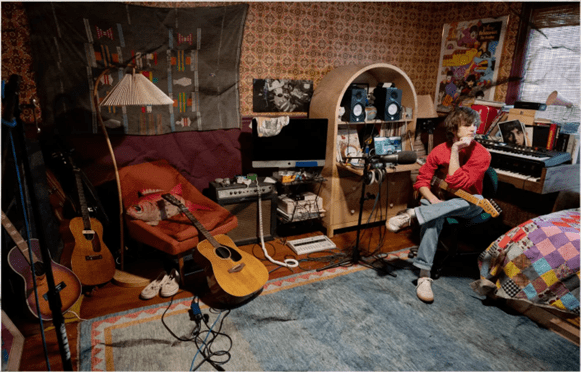
Headline image from Arkansas Times.
 THE CAROLINIAN
One thought on “Silas Carpenter’s The Big Idea: A Case Study in Marketing Music on TikTok ”