
Jenay Moncrieffe
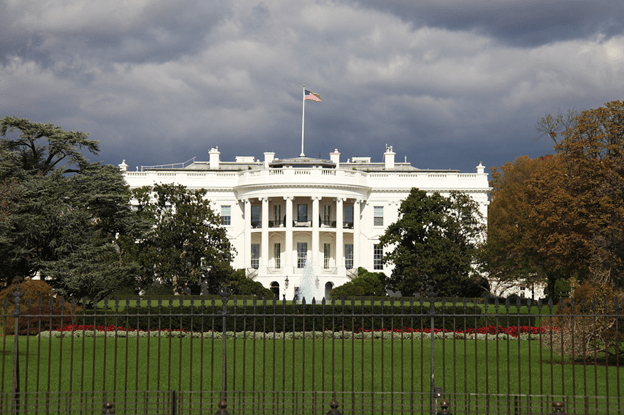
The White House and, specifically, Donald Trump’s policy changes have been loud in the media in the past 12 months. Due to the changes within Diversity, Equity, and Inclusion (DEI), which have decreased support for minorities based on race, ethnicity, gender, and disability, it has caused a concern for Americans. Universities have shut down entire majors based on DEI, which has eliminated staff and rerouted entire degree programs, and in return, workplace discrimination and immigrant violence have increased. Some affected universities include Western University, UNC Charlotte, UNCG, and the University of Michigan. There have been various news reports stating the mysterious disappearance of immigrants and even U.S citizens, who have been abused and othered when it comes to the U.S. Immigration and Customs Enforcement (ICE). With all the reports that have circled the media, the Asian American, Native Hawaiian, and Pacific Islander (AANHPI) community is disregarded and overlooked when it comes to the fire they’ve faced in America with the change in policies.
Another policy change has come into play, and it’s separate from the above effects. On March 1, 2025, Trump signed Executive Order 14224, which repealed previous Executive Order 13166. This leaves federal agencies and other organizations that receive federal funding, such as hospitals, universities, and the U.S Citizenship and Immigration Services, to choose to allow or omit accommodation and support to non-English speakers. Executive Order (EO) 13166 ensures services to assist those who may not be proficient in English. Without EO 13166, EO 14224 reduces that support for language access plans and services.
EO 14224 now makes English the official language within all aspects of the government. For Spanish-speakers, this executive order doesn’t entirely deter language support as it is commonly spoken in America, but many AANHPI individuals don’t have that advantage. For context, AANHPI languages include Hindi, Punjabi, Mandarin, Tagalog, Samoan, and Chuukese to name a few. These languages aren’t widely known in America; therefore, this puts these individuals at a higher risk of being misunderstood, excluded, and harmed because of their identity. Imagine an AANHPI individual who mainly speaks Tagalog going to the DMV to renew their driver’s license. Due to the lack of translators and the language barrier, it is easy to skip a required step or misunderstand sections of the form. As a result, their application can be delayed or even rejected, which makes simple tasks and routines dreadful and embarrassing. It could also prevent the individual from driving legally until the problem is resolved, which affects how to get to work and pick up and drop off their kids from school.
There have been many debates trying to predict Trump’s next move. Though it has only been public debate and nothing official has been signed; many are worried that the frequent changes within the federal system may lead to the elimination of the Refugee Admission Program. Due to discrimination between immigrants and ICE, there’s a fear that those same individuals who once relied on support to flee from persecution may eventually be forced to deal with those corrupt and inhumane circumstances on their own. Many also fear the end of Birthright Citizenship. Birthright Citizenship currently allows families who have a baby in the U.S to be granted automatic citizenship as an American.
The changes within these policies create an even greater divide between Trump’s idea of “Americans” and “Foreigners.” This creates a huge disconnect for Asian American, Native Hawaiian, and Pacific Islander communities, as it changes the entire meaning of being an American and living the American dream. Everything in America is now completely torn and even unrecognizable to many.
Numerous MAGA or Trump supporters believe the exclusion of AANHPI and BIPOC communities, create “a more inclusive” America for all. MAGA supporters believe that the removal of BIPOC communities leads to less crime. The idea that a minority can be more likely to face inhumane treatment by the government can be seen as accommodating and a relief to some individuals.
The attempt to tarnish the history and heart of AANHPI communities has become more widespread throughout America and has only risen. There is now an emphasis on an ongoing issue. Many Asian Americans that were surveyed as of 2023, 41% of whom were immigrants and 34% born in the United States, reported other individuals acting as if they don’t speak English, and that is only the tip of the iceberg. Within the span of a second, all previous laws and policies that had been passed to strive toward a more free and vibrant America, are all being undone. It’s as if all the protests and movements, such as Stop Asian Hate and AANHPI Heritage Month marches, have led to nothing but consistent regression in the White House, which has affected the entire nation.
It should be widely understood that the AANHPI community is essential to all of us. The reciprocated and mutual understanding of each other’s cultures and identities is a fundamental draw to the United States of America. It represents an illusion of what the U.S. should stand for, which hasn’t yet been achieved. Racial trauma symptoms form due to racism in the media and our daily lives. Symptoms include hypervigilance, low self-esteem or identity confusion, loss of motivation/depression, withdrawal or avoidance, and more. In many communities, individuals withdraw themselves to almost predict and prepare for the worst outcome. This creates an overall sense of internalized hate, mistrust in specific institutions and persons, extreme health disparities, and even the shrinking of opportunities and networking due to burnout. However, there’s support to combat this oppression. For that reason, it is important to acknowledge one’s own feelings of worthlessness, whether through therapy, journaling, finding a support group, or creating a peaceful and positive mental space for yourself. The current self can be healed by acknowledging all the wrong that has been done to AANHPI communities.
All of us as a nation and those affected should educate themselves on these issues pertaining to Trump’s policy changes, other forms of discrimination, and their long-term effects on our people. Many different minorities have dealt with these same issues in one way or the other, therefore there should be a sense of empathy when educating oneself. I urge readers to receive this information as insight rather than carrying a pessimistic view of the world. Keep your mind open and be cautious of misinformation on the internet. Although headlines, news reports, and the effects of racial trauma can be disheartening, take it one day at a time and remember, if you can’t change the world, you can change your world.
 THE CAROLINIAN