
By Joseph Abraham, Editor-in-Chief
Published in print on Mar.4, 2015
While most of North Carolina was in frenzy because of the “snow-pocalypse,” the UNC Board of Governors was meeting in Charlotte to discuss the future of three university centers and tuition increases.
As expected, the BOG voted to close the three centers – East Carolina’s Center for Biodiversity, N.C. Central’s Institute for Civic Engagement and Social Change, and most notably UNC-Chapel Hill’s Center on Poverty, Work and Opportunity.
While UNCG’s Center of Creative Writing in the Arts survived the BOG’s review of over 240 university centers, I wonder for how long? The BOG voted to eliminate three centers this year, but this is likely only the beginning.
A few weeks ago, I wrote how the future of public higher education in the state of North Carolina would resemble a desolate wasteland. This outlook might seem a bit rash, but as I stated in that column, one party having control of an entire system is not a good thing.
According to the Daily Tar Heel, UNC-Chapel Hill’s Faculty Executive Committee submitted a resolution during the meeting that strongly recommended the Board of Governors maintain the UNC-System policy that each campuses’ Board of Trustees have full authority to create and discontinue their centers and institutes.
This is an action I support.
If it isn’t enough that the General Assembly issues mandatory budget cuts as it pleases, it seems like more and more decision-making power is being taken away from schools in the UNC system.
The fact that UNCG’s Center of Creative Writing in the Arts could have been shut down because the BOG felt it is the right course of action is concerning.
If the General Assembly determines that UNC-System schools need to cut their budget, the individual schools usually have control over what gets eliminated. The same courtesy should be given to their centers and institutes.
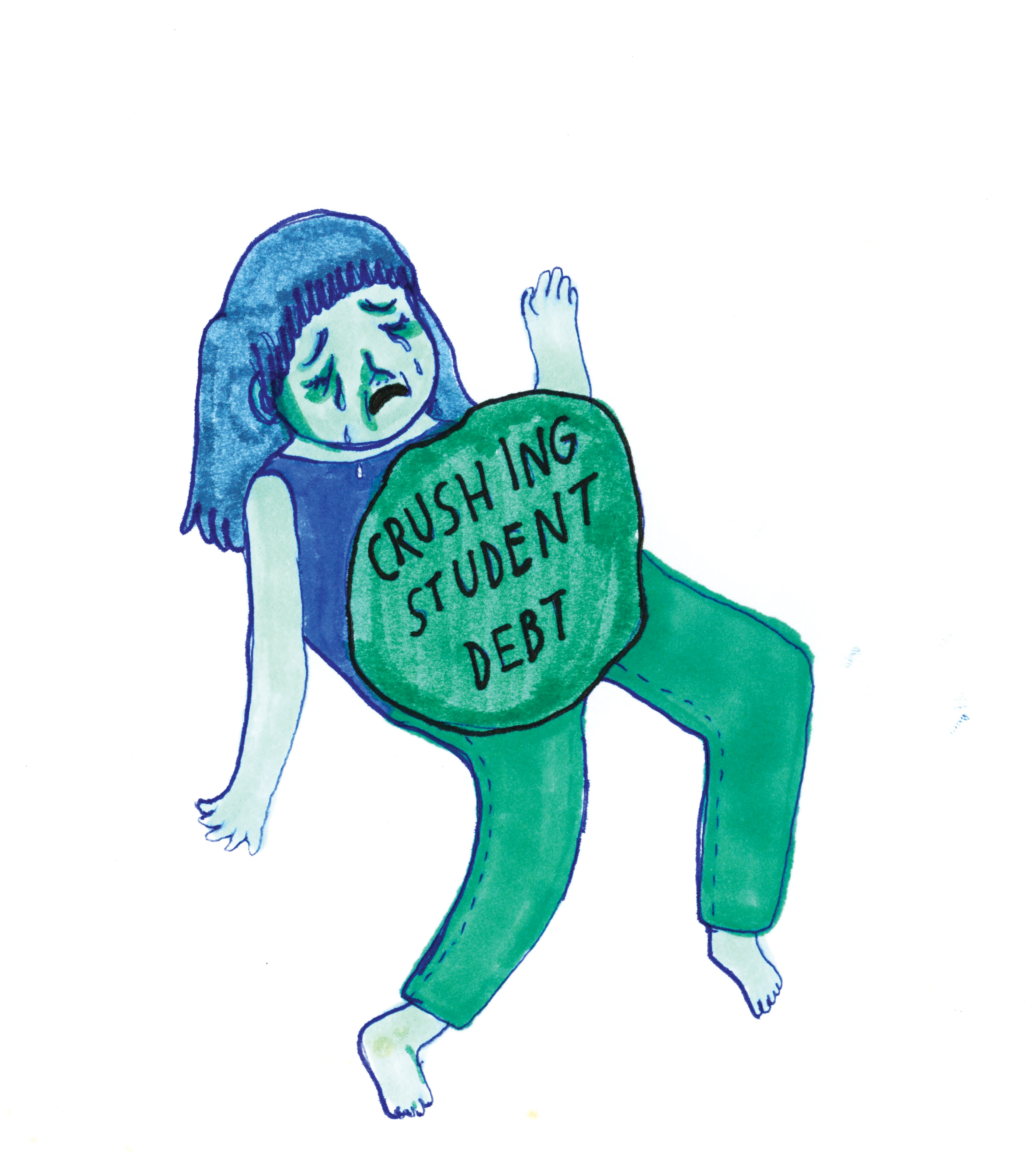
Another anticipated move by the Board of Governors was approving an increase in tuition.
UNCG’s tuition and fees will increase roughly 9.1 percent over the next two years.
According to the News & Record, UNCG’s cost of attendance – tuition, fees, room and board – will be almost $15,000 for in-state students.
The majority of the extra money will be used for faculty salaries. Whether this money will be used for raises or to bring in new faculty, I support the idea, but not the means by which the raises are being funded.
Many faculty members at UNCG have not received significant raises since most of us were finishing up middle school or just beginning high school. In addition to this, many faculty positions have been lost in recent years due to budget costs.
So, is raising our tuition the only way our faculty will get salary increases anytime soon?
The answer is yes. The General Assembly has done little to allocate money for faculty increases in the UNC system. The most recent raise in funds was at the beginning of the year, and it was only enough for UNCG to cover roughly 20 percent of its faculty.
It is hard enough to afford college. It may seem like I am beginning to sound like a broken record, but the General Assembly should look for other ways to save money rather than turning to our state’s public universities.
However, the only way to raise waning faculty morale is to give them the salary increases they deserve. Unfortunately for students, that money is coming from our wallets.

