
Ailey O’Toole
Staff Writer
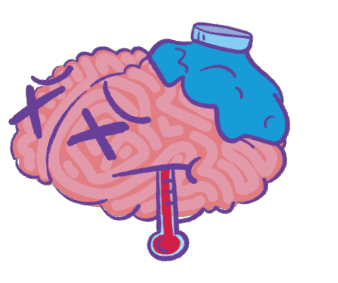
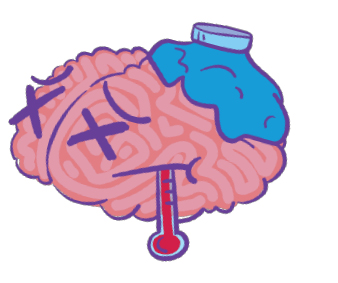
Seasonal affective disorder (SAD) is a subtype of depression that is related to changes in seasons; it usually starts in the colder days of late September and ends during the sunnier days of April.
And no, SAD is not just a case of the “winter blues” that one can brush off and tough out on your own. SAD can zap your energy and motivation, leaving one sleeping 18 hours a night, sometimes even more.
At this time of year, it is important to be wary of SAD symptoms in case you or someone you know may be suffering. Some of the symptoms include the following: feeling depressed most of the day; feeling hopeless or worthless; having low energy; losing interest in activities you once enjoyed; experiencing changes in your appetite or weight; feeling agitated or irritable; having difficulty concentrating; having frequent thoughts of death or suicide; hypersensitivity to rejection; heavy, “leaden” feeling in the arms or legs; oversleeping.
It is normal to have days when you feel down, but if you start to feel recurrently sad for days at a time and can’t find the motivation to do activities you normally enjoy, you should see a doctor or make an appointment at the counseling center as you may be suffering from SAD.
This is especially important if you start to experience some of the more common symptoms of SAD, such as changes in sleep patterns or appetite, feeling hopeless, thinking about suicide or turning to alcohol and drugs for comfort.
Take steps to keep your mood elevated and your motivation steady throughout this time of year, especially with exams right around the corner.
Ladies, you especially should pay attention to this. Women are diagnosed with SAD significantly more often than men are. Please stay safe during the winter season.
Treatments for SAD include phototherapy, also known as light therapy, regular psychotherapy and different medications.
In phototherapy, a person sits a few feet away from a special light therapy box so he or she is exposed to bright light. Phototherapy mimics natural outdoor light and causes a change in brain chemicals that are linked to mood. This kind of therapy generally starts working within a few days to two weeks and causes very few side effects.
An extended-release version of the antidepressant bupropion, also known as Wellbutrin, has been known to alleviate symptoms of depression in patients diagnosed with SAD.
If you think you may be struggling with seasonal affective disorder, do not hesitate to call the counseling center at 336-334-5340. The National Suicide Prevention Lifeline (1-800-273-8255) is also a great resource.
 THE CAROLINIAN