
Bronwen K. Bradshaw
Staff Writer
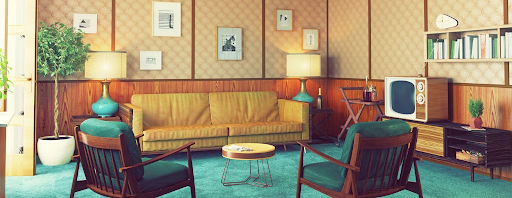
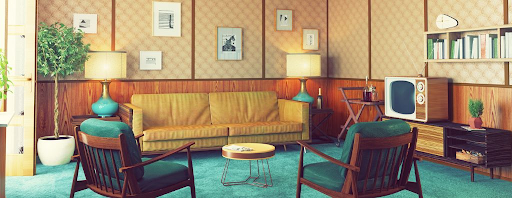
Furniture. It’s always on a person’s mind when moving into a new home. What furniture should I style my home with? Will this table go with that chair? I recently moved into a new apartment, and these thoughts and questions were on my mind. I’ve been going through Pinterest, YouTube, and online stores looking for interior design inspiration, and I came across many mid-century modern pieces in my recommendations. I’m sure most of us have come across the trendy plastic chairs, side tables, and entertainment centers on our feeds that resemble the furniture of the 1950s. What makes mid-century modern so special that it has transcended decades and is still relevant in interior design? To answer this question, one must look at the history of America and the Modern art movement of its time.

Mid-century modern pertains to design elements of the 1930s through 1970s. Before the mid-century modern aesthetic came to the forefront, Walter Gropius founded The Bauhaus in 1919. The German art school’s goal was to combine the rise of mass production with artists of the time. According to The MET, The Bauhaus was “a utopian craft guild combining architecture, sculpture, and painting into a single creative expression” and “a craft-based curriculum that would turn out artisans and designers capable of creating useful and beautiful objects appropriate to this new system of living.” Unfortunately, World War II cut the Bauhaus initiative short due. Still, its movement helped inspire many of the pieces associated with mid-century modern.
During World War II, many corporate and factorial efforts focused on advancements in technology and materials for the war effort, lessening attention to home design. After World War II, the economy and population boomed, meaning more families moved into suburban homes. Americans were doing better financially during this time, allowing those to put more money into creating a new life.
Modernism rejected the concepts of the Victorian era to move forward in art and design methods. Modernists wanted to push the boundaries and create an ideal future through their home furnishings. Furniture designers’ vision was to create a new style that was both functional and beautiful.
In the 1950s, the age of the space race and idealistic images of the future came into play for interior design. This new fascination with the future inspired designers to create something fresh and different while being sophisticated and practical for the modern home.
Another component of the rise of this style was the introduction of new materials, such as vinyl, linoleum, and plastic. Adapting these materials to furniture design helped define this era’s linking of industrial advances to artistic innovations.
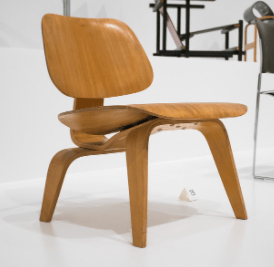
When looking at the many furniture pieces that came out of the mid-century modern movement, one piece in particular stands out as a reference: The Eames Chair. Ray and Charles Eames were artists focused on interior architecture and abstract art of the time. They had new materials, such as plywood, to use during wartime for creating cheaper, practical furniture for American families. According to the BBC, their mission was to “make the best for the most for the least.”
The Eameses utilized these materials their design philosophy to create a fresh style centered on the chair’s form and function. The Eameses began working with fiberglass and plastic to create the long-lasting plastic Eames chair we associate with the designers’ names today.
You might be asking yourself, when did the resurgence of mid-century modern come back into popularity? It never really left. The production of mid-century designs started to fizzle out in the 1970s. However, author Cara Greenberg coined the name in her 1984 book Mid-Century Modern: Furniture of the 1950s. Due to the book’s success, mid-century modern came back into the limelight in the 1990s, and interior designers sought authentic pieces. In 1999, TIME Magazine labeled the plywood Eames chair the best design of the 20th century.
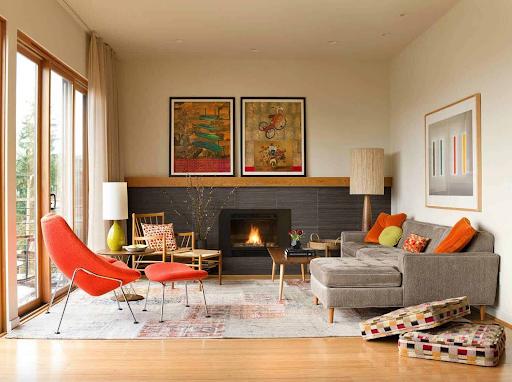
Today, mid-century modern is still a prolific style in interior design. The Instagram tag #midcenturymodern has over 6.8 million posts. The simplicity of the furniture’s lines makes it easy to incorporate into other interior styles. With many people stuck inside their homes during the pandemic, they turned to remodeling. According to Comscore data from 2020, over 74 million Americans remodeled their homes, a 20% increase from the prior year. Just as the furniture style reflects the 1950s, the mood accompanying this redecorating surge may indicate a similar mindset of hoping to leave trouble in the past and create a home that promises a beautiful and better future.
Mid-century modern is here to stay for the long run. Though this style’s mass production and persistence in home stores might seem commonplace, its simplicity and artistic inspiration will forever be unique and transformative for the American home. While I struggle to decorate my apartment, at least I know that finding a piece of mid-century modern furniture will bring me one step closer to creating the future of my living space. Of course, by future, I mean the rest of this year till my lease is up.

 THE CAROLINIAN
2 thoughts on “Mid-Century Modern: The Future of Interior Decor”