
Bronwen K. Bradshaw
Features Writer
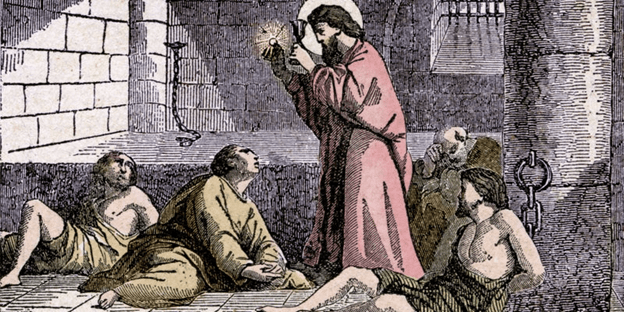
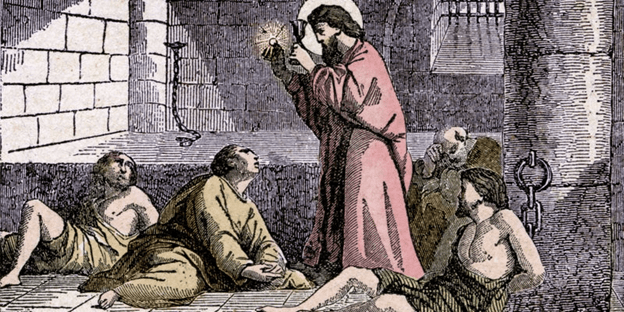
Image courtesy of Fototeca Gilardi/Getty Images
Valentine’s Day is just around the corner. Flowers and heart-shaped boxes filled with delicious chocolates have been hitting grocery store shelves for weeks. Dinner reservations have been placed for the relationship-driven holiday. As I get ready for my own Valentine’s Day, I wondered about the holiday’s true history. Is there actually more to it than the marketing tool that many critics claim it is?
There is a Saint Valentine, whose Saint’s Day became associated with courtly love. The Catholic Encyclopedia lists three Saint Valentines who are connected to the romantic holiday. One Valentine was a third-century Roman priest, who is said to have lived under Emperor Claudius. Claudius was a conqueror and believed marriage made men bad soldiers, so he outlawed it. A priest named Valentine married young lovers in secret, and when Claudius found out, he sentenced Valentine to death. The story is that he fell in love with the jailer’s daughter and wrote her a love letter on February 14, the day he was executed.
Another theory of how Valentine’s Day originated is as a derivation of the pagan festival called Lupercalia. The celebration featured animal sacrifices, and naked men would take strips of hide from the animals and whip women for good luck and fertility. The festival was traditionally held on February 15.
Geoffrey Chaucer’s late-14th-century poem “The Parlement of Foules” features the translated lines “For this was on Saint Valentine’s day, When every fowl comes there his mate to take.” Many credit Chaucer as the first English writer to connect Saint Valentine and romantic love.
By the 1800s, many people presented notes and gifts to their loved ones and friends on the holiday. In the 1840s, Esther Howland began selling mass produced Valentine’s cards in the U.S., which she created with ribbons, paper, and thoughtful notes to mimic the more expensive, handcrafted cards in England, one of which she received from a business associate of her book and stationery merchant father. British chocolate company Cadbury created the first heart-shaped boxed of chocolates in 1868, so by the end of the 19th century, Valentine’s Day was starting to resemble the modern holiday we recognize. Today, Hallmark sells over 145 million Valentine’s Day cards a year.
Even if you hate Valentine’s Day or feel left out because you’re single, know that its roots are embedded in celebrating love. Buy yourself some chocolates, tell the people in your life that you love them, and maybe even hop on over to CVS and buy someone a card.
 THE CAROLINIAN