
Bronwen K. Bradshaw
Features Writer
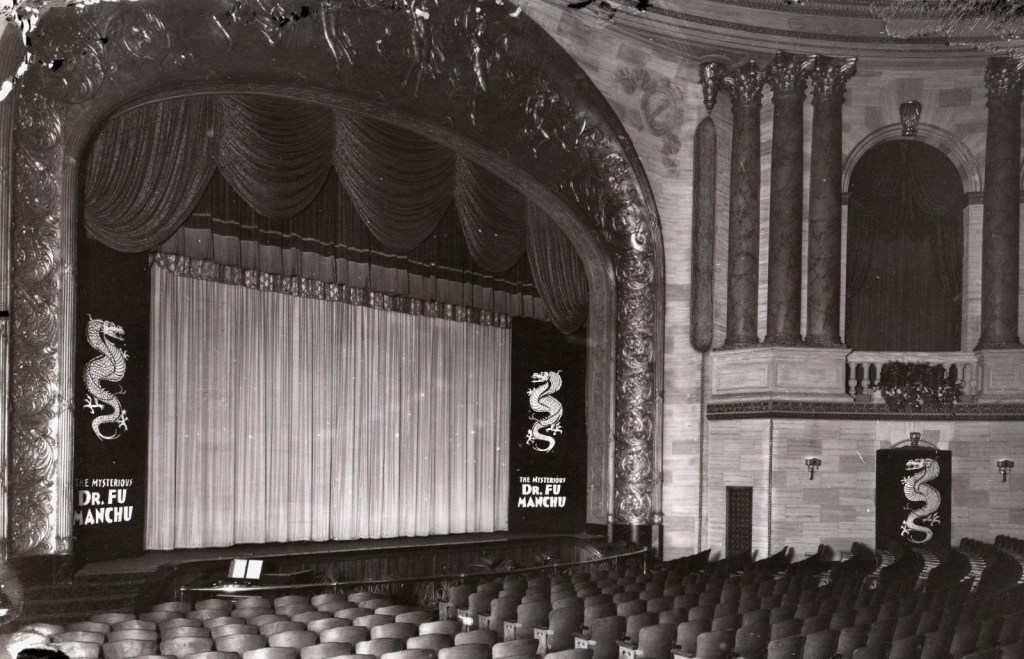
My connection with the Carolina Theatre in downtown Greensboro is deeply personal. I worked there during my teens and early 20s, and I was completely enamored by the theatre’s beautiful architecture and awed by its rich history. I’m a lifelong resident of Greensboro, and I have fond memories of Christmas performances with the Piedmont Jazz Orchestra, my first date (we saw When Harry Met Sally), and my high school formal in The Crown, the black box theatre on the third floor.
The Carolina Theatre opened its doors on Halloween night in 1927. Mayor Paul Lindley was the first to purchase a ticket. The theatre was a spectacle of Greek-inspired architecture: high windows and ceilings, columns, sculptures, and walls painted gold, red, and green. It was also the first commercial building in Greensboro to have air conditioning, marking a significant milestone in the city’s history.
Some early events included silent films and live performances from orchestras and vaudeville shows. In 1928, the Carolina Theatre was the first establishment in North Carolina to install a Vitaphone speaker system for the new genre of films with sound. The first talkie shown at the theatre was Glorious Betsy, starring Conrad Nagle, followed by The Jazz Singer, starring Al Jolson.
The late 1960s brought challenging times for the Carolina Theatre as suburban businesses and movie theaters grew, drawing people away from downtown. The theatre was on the brink of demolition. However, in 1975, the United Arts Council granted an extension for the venue. Due to generous donations from volunteers, the magnificent theatre marked a triumphant comeback, reopening in 1978.
In 1981, a woman ventured into the theatre’s stairwell and set fire to the establishment, so the theatre experienced another closure. In 1988, the United Arts Council raised over $5 million to renovate the theatre and expand Greensboro’s Cultural Center. After three years of restructuring, the Carolina Theatre was back, although the main auditorium was reduced from its previous 2,200 seats to its current total auditorium capacity of 1,130.
The United Arts Council helped the Carolina Theatre become an independent nonprofit in 2006. Another $2.8 million renovation, approved in 2018 and done in two phases, improved the theatre space, The Crown, and seating, restrooms, and other audience amenities. The second phase involved restoring and preserving the theatre’s exterior, including the steel-framed windows of leaded glass and the terra cotta decorative details, further improving the Carolina Theatre’s beauty.
I will never forget the time I spent working at the Carolina Theatre, and I am glad that my memories are forever intertwined with the history of Greensboro’s most venerable theatre establishment. I’m always excited to return as an audience member whenever an old film rolls around!
 THE CAROLINIAN