
Crystal Thompson, Features Editor
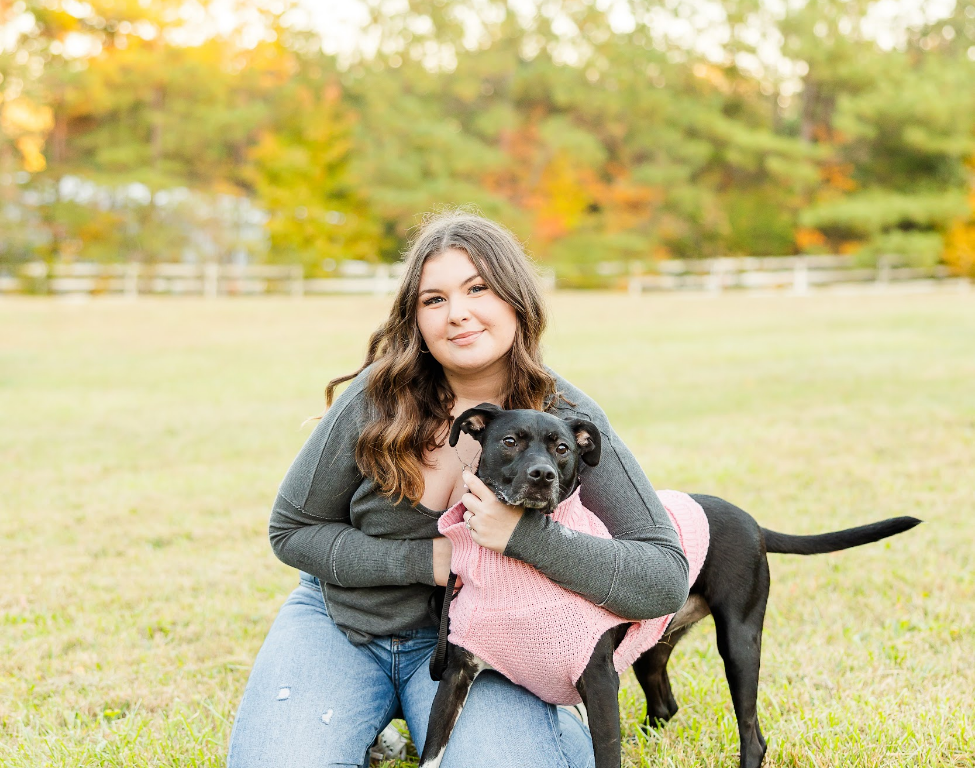
About a month ago, The Carolinian featured a story about Foster Forward, a UNCG organization aiming to provide a system of support for students who’ve aged out of foster care. Summer Ranson is the vice president and has a unique, complex experience. She was fortunate enough to not age out but was still part of the system. “I intended to age out, but I left through a different route, which was legal guardianship with my grandparents,” said Ranson.
As great as it was to be placed with family, the difficulties navigating the foster system continued. “Exiting care was scary but exciting. Foster care can help those in need of extra resources. Unfortunately, it can be quite overwhelming for an individual who is trying to obtain more freedom and independence,” she said. Many high schoolers accept low-wage, part-time employment to serve as a milestone marker for that independence and freedom. For Ranson, it meant juggling her schedule around essential care needs in order to benefit from any extended resources foster care offers once a child is placed.
Being placed with her relatives didn’t make it any easier to continue those services. On the contrary, this was the most difficult part for her. “The amount of extra tasks required was challenging. Doctor visits, dentist visits, social care worker check ins, court dates, visitation, therapy, and guardian ad litem check ins meant arranging my schedule to accommodate care,” said Ranson. All of this she had to manage while attending high school.
That is when she started preparing for her future beyond foster care. After completing the CNA program offered through her high school at age 16, it was time to start working to finally gain some semblance of the independence she knew she’d need to make it through college at UNCG. Here, she is a first-year pre-nursing student with a passion for mentoring others who may have experiences with foster care, aged out or not.
Setting the example, Ransom encourages others who’ve been through the foster care system to not become a stereotype and instead build their futures around their interests. “Oftentimes we can feel defined by foster care, but as an individual, you have your own interests and personality that you should embrace. Your story is your own,” she said. She continues to build her own story as she meets other foster care recipients and makes new friends.
But this isn’t just about networking, it’s about adding family members, blood related or not, to a growing, necessary circle of support. This, according to Ranson is an absolute when aging out of care: “I would also encourage anyone that aged out of foster care to find a good support community whether it’s a club or friends and family.” Taking her own advice, she’s created a community of trusted mentors, friends, and reliable support bases here at UNCG, which she’s grateful for. “My first year has been wonderful! I have learned so much, found a community, and made many friends in class and within the Foster Forward organization,” she said.
Attending UNCG might be a wonderful new start for Ranson, but she knows that others like her still lack the type of community she’s built around her and valuable resources she feels still aren’t offered. She explained, “More financial help as well as opportunities to acquire things that may not have been available in abundance before like dorm necessities or clothes.” While those items seem to be in short supply, there are crucial needs that also need to be met, even if clothing and funding were readily available. Ranson wants to bring attention to this in hopes that it will soon change, saying, “I would also recommend the growth of conversation around foster care to start breaking the stigma. Events catered to those who aged out could be a large help in creating community.”
 THE CAROLINIAN