
Mathilde Spiropoulos
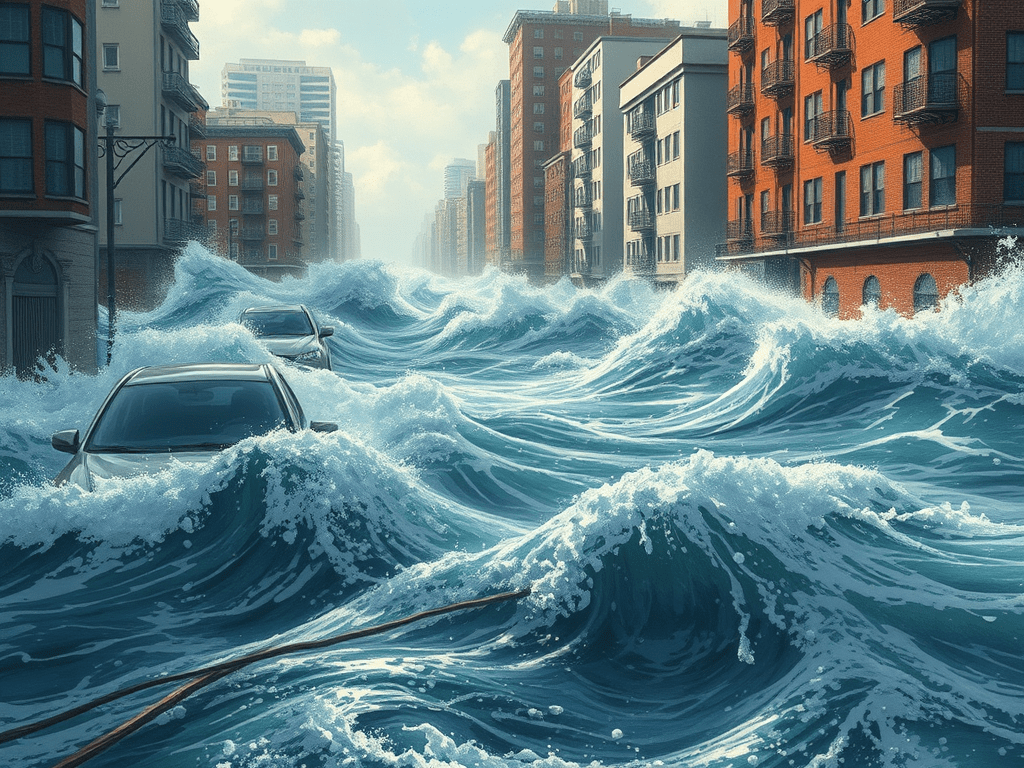
In just a few short hours, entire cities can be submerged, homes overtaken by floods, and lives turned upside-down by the relentless rise of water. Floods are now increasing in frequency under the effects of climate change. Unfortunately, 90% of all natural disasters involve flooding, accompanied by high costs, whether economic or human life. According to Billion-Dollar Weather and Climate Disasters “in 2024 (as of Nov. 1), there have been 24 confirmed weather/climate disaster events with losses exceeding $1 billion each to affect United States.”
We know for a fact that the leading causes of floods are heavy rainfall, severe thunderstorms, tropical cyclones, and urbanization. Flash flooding is the most dangerous type of flood. Unfortunately, due to climate change, floods are inevitable, but as a community, we can act together to reduce the impact, find solutions to prevent as much damage as possible, and avoid human losses. In order to address flooding effectively, it is important to put in motion immediate and long-term strategies to reduce risks and damage.
First, infrastructure improvements are required. Constructing barriers along rivers and coastlines can help prevent floodwaters from encroaching on populated areas. Another way to improve the infrastructure is by enhancing drainage systems in retention basins to handle heavy rainfall and direct excess of water away from buildings. Furthermore, green roofs and permeable pavements can reduce surface runoff and slow down water flow during intense storms. Strategically placing reservoirs and basins will help absorb floodwaters, while preventing overflow into residential areas.
Next, we need natural solutions such as restoring wetlands and forests that act as natural sponges, absorbing excess water and slowing down floods. Planting vegetation along waterways stabilizes banks and reduces erosion, which helps manage floodwaters. By planning reforestation and soil conservation, we can limit the damages created by flood because trees and plants help retain water in the soil, decreasing runoff and promoting gradual water release.
Then, we need important policy changes and urban planning like restricting the development in flood-prone areas. By limiting construction in high-risk areas, governments can reduce the number of buildings exposed to floods. Similarly, by raising elevation requirements and improving construction standards in flood zones, we can reduce damage when floods occur. On top of that, advanced flood warning systems help residents and authorities to act quickly during flood events, potentially reducing the amount of lives lost.
Finally, thanks to community awareness and preparedness, we can be ready to limit disasters due to flood. Above all, teaching communities about flood risks and safety procedures prepares people to respond effectively during emergencies, especially when flash flooding is occurring. In addition to that, there is a need for effective evacuation planning because clear evacuation routes and shelter locations help ensure safe escapes in flood situations. Ultimately, disaster drills and training are another effective way to prepare emergency management officials and first responders for such events. For instance, practicing emergency response procedures can make communities more resilient to flooding events and prepared.
With proper prevention strategies, we can limit some of the damages, reduce costs, and save lives during floods. And these strategies can be adjusted to fit the needs and resources of specific regions to provide both immediate and long-term flood mitigation. If we act now, we can still make a change.
 THE CAROLINIAN