
Crystal Thompson, Features Editor
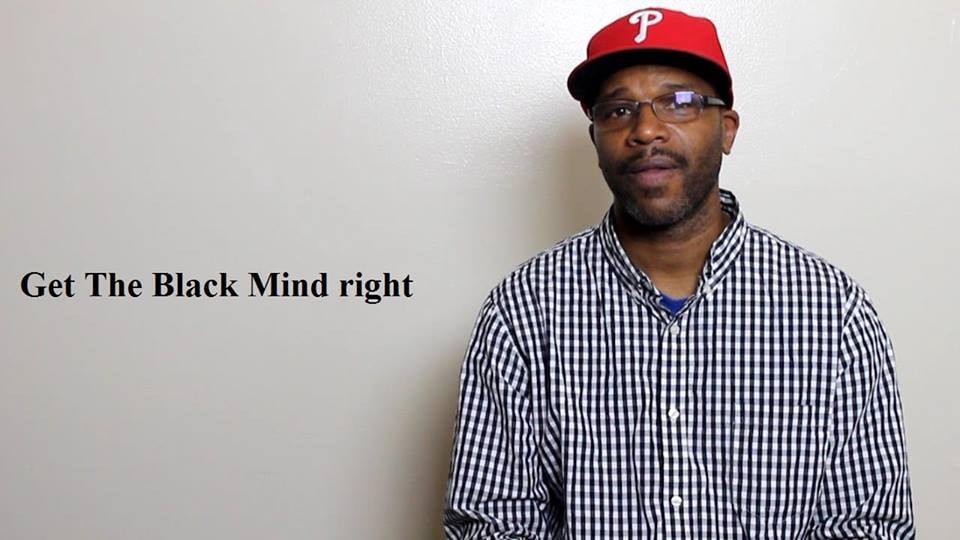
(Image courtesy of Larry ‘Syid’ Wright)
Many celebrate Black History Month by honoring notable heroes who fought for freedom and equity, but what is known is not always shown. That is, stories are often left untold or mis-told. While numerous figures and events are showcased repeatedly across music, literature, apparel, and film as a reminder, filmmaker and author of Three Shots and a Play, Larry ‘Syid’ Wright (known affectionately as Brother Syid), wants to set the record straight.
“Our story is so fabricated and whitewashed,” Wright says. “When they say based on a true story, it’s based on how they want to portray us in film.” What he is referring to is the frequent, well-known issue of the movie industry consistently portraying Black people outside of a genuine context to sensationalize stories and garner higher box office returns. This practice doesn’t usher in education. In fact, it prevents viewers from learning the true stories, which is why Wright decided to become an independent filmmaker and activist.
“Always been a fan of writing. I started out writing in theater. I was introduced to film by Reggie Nurse, an A&T student. After, I fell in love with it,” Wright says. That eventually led to him co-founding Paper2Film, a 2013-2019 program that introduced young men and women to the art of filmmaking. He kept going, turning his passion for film and education into PitchVine Entertainment, which has allowed him to use his work to tell honest, raw stories for others to learn. “As an independent filmmaker, I have the freedom to share the truth, our truth, Black America’s truth,” Wright says.
In a time when there is an abundance of ways to stay up to date on current news and events, it’s even more crucial to have a source that prevents burnout and saturation. As an activist, Wright works to fulfill the responsibility of making sure people are informed without being overwhelmed. He says, “Film allows you to share so much information. I try to share information that is relevant and meaningful.” This sentiment is reflected in his work, but his philosophy regarding education both laments a gloomy prediction and provides guidance to overcome it.
He says, “I will say this: if we don’t get ourselves together, we are going to see some rough times. If you cannot read or write, you’re doomed.” This warning is similar to an old adage heard within the Black community encouraging youth to learn basic life skills. Beyond that, Wright points to having a discerning nature even when viewing movies. “Film is media, and those who have control over media have control over you, if you let them. Do your homework and stop believing everything you see and hear.”
Wright’s words offer wisdom, and he has purposefully created films that entertain and educate at the same time setting the record straight. The Civil Rights Movement produced many heroes and dramatic, horrific events. But one too many do not receive enough attention. That’s where Wright’s films have the most impact. His current film, The Great Organizer: Ella Baker, highlights the work of one of the most notable organizers.
He will host a red-carpet film premiere and gala for the film on Saturday, Feb. 22, from 6 p.m. to 9:30 p.m. at the Greensboro History Museum. Tickets are $35 per person or $60 per couple and admission includes a viewing of the film, dinner with wine, and an after-party. Attendees must RSVP in advance by visiting this website.
The movie will be shown again Sunday, Feb. 23, from 1:30 p.m. to 4:15 p.m. at the Vandyke Performance Space. Tickets are $10 and can be purchased here.
 THE CAROLINIAN