
Imani Tailly, Staff Writer
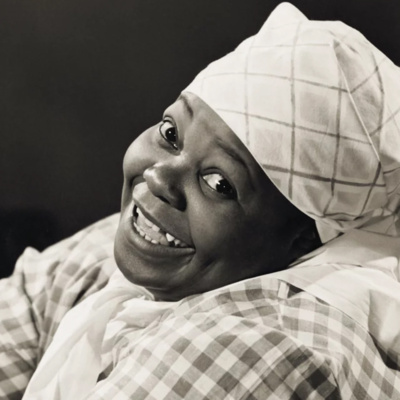
Black women have a rich history of fighting back against multiple forces attempting to keep us down and we continue to show resilience and poise, holding our heads high. It’s especially important to look at the fight against stereotypes. For centuries, these harmful, derogatory remarks have been pushed onto Black women, and they negatively impact us as we fight for our place in academics, the work force, and even in our own communities. The most popular are the Mammy, the Jezebel, the Sapphire, and the Welfare Queen.
The first, and one of the oldest of them, is the Mammy. It appears early in film history, played by Hattie McDaniel in Gone with the Wind, showing Black women as loyal, submissive servants for white people. They are often shown as maids and caretakers for the children. Historically, this was a stereotype created during slavery showing Black women as happy in that servant role. It was often used by slave masters as an excuse for mistreating enslaved women and justifying violent physical treatment towards them.
The next stereotypes are the Jezebel and the Sapphire. The two are similar in that they depict Black women as sassy and dominating. In contrast to the Mammy, they were not submissive. Instead, they were dominating and controlling. The Sapphire appeared in 1950s shows like Amos and Andy. The Jezebel originated in Hollywood and depicted Black women as cunning and hypersexual. They used their bodies, which were typically overly exposed, to trick, deceive, and get what they wanted.
Lastly, the welfare queen stereotype emerged from the Reagan administration in the 1980s. The idea stems from Linda Taylor. She was from the South but lived in Chicago. Reagan would speak of her in his campaign against welfare benefits, often twisting her actual story to worsen fraudulent use of the system. Taylor’s mother was white, and it was rumored that her father was Black. Both her parents would’ve been imprisoned if they were suspected of being in an interracial relationship. Taylor frequently identified as a number of races to maintain ambiguity. However, the media consistently considered her to be Black for the sake of perpetuating the stereotype.
Taylor was convicted of multiple felonies and other charges, including fraud, filing a false report of theft, perjury, and even bigamy. Taylor defrauded the government of an estimated $100,000, which would equal to about $750,000 today, though it is still unclear how much she actually received. Additionally, it was reported that she owned multiple Cadillacs and, as observed in pictures, was known to dress in fancy, lavish clothes. Taylor became the face of the stereotype that Black people, especially Black women, were abusing welfare systems to avoid working.
These four stereotypes have been harmful to Black women and still plague us. Part two of this series will demonstrate the impacts they continue to have on us today. It is crucial, especially in turbulent times and a contentious society like what we are in now, to educate others on the history of stereotypes assigned to Black women. The next article will explore the impacts these have on us today. The point is not just to educate; it is to encourage Black women and everyone to continue fighting against these stereotypes.
 THE CAROLINIAN