
Imani Tailly, Staff Writer
(Image courtesy of The Listening Post)
As Women’s History Month ends, our second and final article focuses on how the stereotypes covered in the first article still impact how Black women are looked at today.
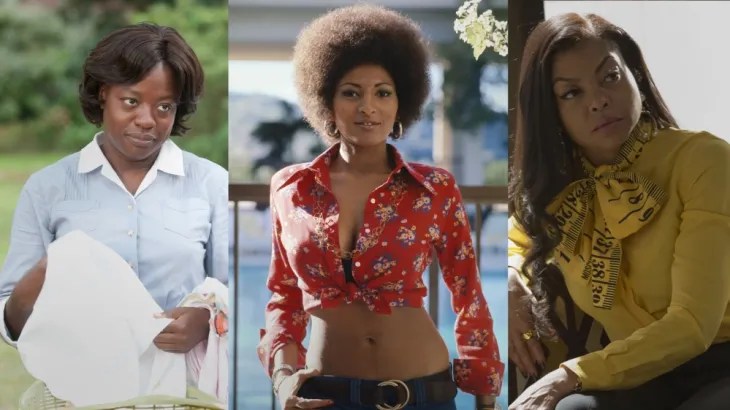
The mammy stereotype has been recreated in movies such as The Help, where actresses Viola Davis and Octavia Spencer depict a visual of what the mammy was. Many people who have seen this movie will recall the line of Davis’s character speaking to the daughter of the white family she works for, reaffirming her self-worth. This is a great example of what the mammy was intended to represent: a maternal figure caring for white children in a maternal manner. It also feeds into the idea that the mammy enjoyed this role and was content and happy to serve. Davis’s character smiles and shares a tender moment with her employers’ daughter, giving a false impression of happiness.
The mammy is as popular in the media as other stereotypes today, transferred to the Black family dynamic. The idea of the nuclear family (mother, father, and their children living together) comes from the idea of the white family standard, which became the persistent American standard. This is not always the reality; many families consist of single parents, grandparents raising the children, and extended family helping raise the children. This goes against the nuclear family idea that has long been engraved in our minds.
Both stereotypes, the mammy and the ideal of the nuclear family, have impacted how the world sees black families and black women. It shames and condemns single mothers for doing what they feel is right for them and their families. This connects to the stereotype of the welfare queen. People are still claiming the welfare system is being abused, not just by Black women, but our entire community. The terms “lazy” or “not wanting to work” get thrown around loosely across our media platforms. This idea, being relatively new, hasn’t lost media attention like the Mammy has. It’s still very apparent in our world and in what we see.
The Jezebel and Sapphire often overlap in media where Black female characters are shown as both sassy and lustful, using their bodies and words to get what they want. There is also a male counterpart where Black men are sexualized and shown as violent, childish, and wild, going after small, weaker, often white women. Both impact how Black men and women are seen. Female rappers especially face criticism by outsiders. They say it’s “too much,” “How can anyone like this,” “This is inappropriate,” and “I don’t know why Black women say this is empowering.”
A lot of these comments come from a simple lack of knowledge of the impact female rappers have had and continue to have on the rap scene. With these two stereotypes, we see the impact of how Black women are seen in professional spaces. The assumption that Black people are lazy and don’t want to work impacts job opportunities based on factors like names and hair. A combination of the Welfare Queen, Sapphire, and Jezebel makes Black people’s lives much harder than those of their white counterparts.
What can be done to change these narratives? It’s easier said than done. It would take a conscious effort to recognize and reject these ideas. This seems impossible with the people who are currently in power actively working to do the opposite, but you can remember to do your part and not be passive when you hear these stereotypes and see them being pushed. The intention of this article is to bring awareness to these narratives and inspire you to fight against them.
 THE CAROLINIAN