
Alyssa Herbst
We have lost the art of television comedy. At their peak, sitcoms were funny and had characters you could really care about. ABC sitcoms were fundamental to my upbringing and the backbone of network television.
At a time when consistent, relatable television feels increasingly rare, HBO’s Hacks stands out as a comedy-drama that understands its audience. This confidence has been widely recognized by critics; Rotten Tomatoes’ consensus for the series praises it for “balancing caustic humor with deep emotional insight,” calling it a show that understands both the comedy industry and the people who survive within it.
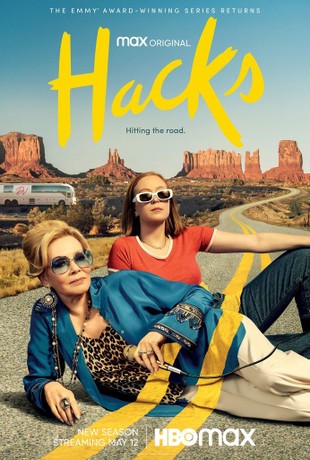
Set to begin its fifth and final season on April 9, Hacks centers on Deborah Vance, a once-iconic stand-up comedian struggling to remain relevant, and Ava Daniels, a young comedy writer whose career has stalled before it ever truly began.
Forced into a reluctant partnership, the two women clash over just about everything you could possibly think of. Their relationship is often hostile, occasionally tender, and always complicated.
What makes the show remarkable is not just how funny it is, but how deeply it understands why humor hurts and why people cling to it anyway. The world is on fire, and there is nothing we can do, but we can laugh. Even when it is inappropriate, maybe the best thing we can do is offer one another a laugh. I think the undertones of sapphic tension also help get viewers’ attention (you’re not crazy, we all see it).
Anchored by the dynamic between Jean Smart and Hannah Einbinder, the series proves that comedy can still feel personal and relevant. Hacks resonates so strongly with me because of its ability to bridge generations. I watch the show with my mother and grandmother, and each of us finds something to laugh at.
Shared experiences with your family are rare, especially when it comes to enjoying the same shows. Writing for RogerEbert.com, critic Brian Tallerico emphasizes this intergenerational tension as the show’s defining strength, describing Hacks as a series built on a “fascinating dichotomy that allows for sharp humor to coexist with an ever-present sense of emotional decay.”
In recent years, television has often felt less relatable, prioritizing spectacle. I don’t know many disgraced comedians clinging to fame, but I do know stubborn older people who refuse to change their ways. I often think my grandmother is laughing with Deborah while I am laughing at her.
Deborah’s resistance to growth feels painfully familiar, and Hacks refuses to excuse it. Sometimes, the most evil people I know are angry old people. The show presents Deborah’s flaws plainly, allowing the audience to sit with the discomfort of caring about someone who does not always deserve sympathy.
Ava Daniels presents herself as progressive, self-aware, and morally principled, yet Hacks consistently exposes the gap between those ideals and her behavior. Those ideals can’t survive in the world she has found herself in. I fear that Ava Daniels is who my father thinks of when he insults “liberal snowflakes.”
Ultimately, she pursues her ambitions too much—so much, in fact, that she ends up on the opposite side. She wants all of the right things but often pursues them through manipulation and resentment. As critic Brian Tallerico observes, Ava is not written as a corrective to Deborah but as “a mirror reflecting the same ego through a different generational lens.”
Ava’s youth does not make her more generous or more flexible; instead, it often makes her actions insufferable. What makes her compelling is that the show refuses to frame her as purely right simply because she is younger or more culturally fluent.
Ava’s insecurity drives many of her worst decisions, and Deborah has canceled her and exiled her from the social scene. Hacks suggests that generational conflict is not about progress versus stagnation, but about two people using different languages to protect themselves from the same fears.
What Hacks does really well is acknowledge the things viewers care about without pretending to have easy answers. Ava wants validation and control; Deborah wants relevance without sacrifice. Neither gets exactly what they want, and that refusal to offer neat resolutions is part of the show’s power. Ava is too young and has no credibility, and Deborah is too old and has ruined her credibility by refusing to let go.
Hacks presents comedy as a shared language that can connect people rather than as a battleground between them. Hacks invites viewers to sit together, laugh together, and wrestle with uncomfortable truths together. It is a perfect balance of easy viewing and laughs, but it’s not just entertainment: it’s a reminder of what television can still do.
Headline image from Rotten Tomatoes.

