
Imani Tailly, News Editor
North Carolina is quickly approaching the midterm elections. Unlike presidential elections, the next of which will be in November of 2028, the midterms often attract fewer voters. In the 2024 general presidential election, voter turnout was 73.73% compared to 51.14% in the 2022 non-presidential election. Despite the lower turnout, the midterms often play a major role in determining who will represent North Carolina in the Senate, House of Representatives and other government positions. With state-wide voting occurring on Nov. 3, 2026, this may be the first time you cast your vote. Making sure you know all the rules and requirements is essential to being prepared to vote in your first election.
Whether you’re a freshman who just turned eighteen or an upperclassman who just registered, there is a lot of essential information you should know. The first step is to check and see if you’re registered to vote. To check if you are registered to vote, you can use the North Carolina Board of Elections voter search tool. If you are not registered to vote, the deadline to register is October 9. The Office of Leadership and Civil Engagement (OLCE) can help you get registered.
The next step is to check your voting district. Greensboro is located in congressional district six. Depending on your stated address when you registered to vote, your district may be different. For example, someone with a registered address in certain parts of Raleigh would be in district two. The North Carolina Voter website has a list of all districts in the state. If your voting district is not in Greensboro, you can return home to vote, or you can request an absentee ballot. Absentee ballots are available now and can be requested on the NC Board of Elections Vote by Mail website. The deadline to request an absentee ballot is Oct. 20, 2026, by 5:00 p.m.
Early voting begins on October 15 and runs through October 31 at 3:00 p.m., with the general election being held on November 3. Early voting locations can be found using the Guilford County website. Absentee ballots are also due the day of the general election by 7:30 p.m. With the local board of elections removing early voting sites from both UNCG’s and North Carolina A&T’s campuses, the closest in-person site is the shared Union Campus between the two universities. The Elliot University Center (EUC) will still be a voting location for the general election.
Lastly, you need to be prepared when entering a voting site. In order to vote, you will need to have a photo ID or other form of identification. If you don’t have a photo ID, a Photo ID Exception Form will need to be completed. Acceptable forms of ID include a state driver’s license, state ID, a North Carolina voter ID card, among others. A full list of acceptable identifiers is available on the North Carolina voter website. Students can also use their university ID as their identification, and university employees can use their university employee IDs as well. A full list for all universities this applies to is available on the North Carolina voter website under the “Student and Public Employee ID’s Approved for Voting.” It’s important to note that student and employee IDs are only acceptable through December 31, 2026, as ongoing legal battles will decide if they can be used in future elections.
If you plan to vote in this upcoming election, ensure you are prepared with all documentation you may need. Along with this, investigate the candidates running to ensure your vote goes to someone who shares your beliefs and values. A list of candidates is available on the North Carolina voter website under the “Upcoming Election” section. Hopefully, this guide has made preparing to vote in the upcoming midterms less intimidating and confusing, especially if this is your first time voting.
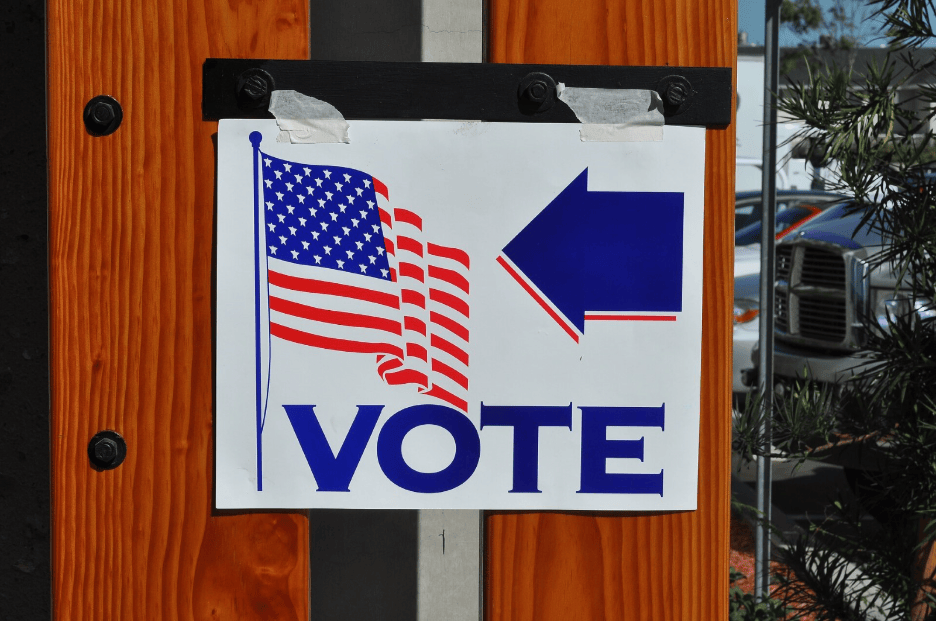
Headline image from Wikipedia.

