
Caroline Turner, Opinions Editor
There’s a peculiar kind of disclaimer that audiobook listeners sometimes feel compelled to offer when discussing their latest read: “Well, actually I listened to it.” As though their experience requires an addendum. It’s said quickly, as though the story counts less because it’s experienced through headphones rather than through the pages of a paperback. Apparently, to some, listening to a book isn’t the same as reading one.
But when did we decide that reading only counts if our eyes are the ones doing the work?
Audiobooks are hardly a niche hobby. According to Pew Research Center’s 2025 survey of American reading habits, 75% of U.S. adults read at least part of a book in the previous year, and 26% listened to an audiobook. Audiobook consumption has also more than doubled since 2011. Clearly, Americans are finding ways to engage with books beyond the traditional printed page. Yet, despite the growing popularity of audiobooks, I still see and hear the disapproval when someone comments, “Do audiobooks actually count as reading?”
While this is a question that persists around audiobooks, I think the more interesting question and commentary is why we feel the need to ask.
There is nothing wrong with preferring a physical book. The smell of the pages, the satisfaction of turning to the next chapter, the dog-eared pages (or the moving of the bookmark—if you prefer your pages unmarked), and the changing flexibility of the spine are all reasons I love a physical book. But preference becomes gatekeeping when we begin treating that experience as the only legitimate form of literary engagement. Somewhere along the way, the physical book became more than a medium; it became symbolic of what it means to be a “real” reader.
And that distinction says something about how we understand literacy and intellectualism. We often associate reading physical books with discipline, education, and sophistication. Think about the image of the well-read person: perhaps they’re sitting in a quiet coffee shop, novel in hand, or curled up in an armchair with a stack of books nearby. There’s a certain cultural acceptance attached to that image. But what happens when that same person is listening to an audiobook while they commute, work out, or clean? Have they suddenly become less intellectually engaged? Is their experience less valuable because they pressed play instead of turned pages?
I say no. Audiobooks count. Listening to an audiobook is still reading.
When I listen to an audiobook, I’m still following its narrative, interpreting its characters, considering its themes, and making connections between the text and the world around me. I’m still engaging with the author’s language and ideas. The fact that I’m hearing those words rather than visually processing them doesn’t make the intellectual experience disappear. Listening and reading print aren’t identical experiences, but both can offer meaningful engagement with literature.
More importantly, audiobooks make literature accessible to people who might face barriers to traditional print reading. For people with visual impairments, dyslexia, or other print disabilities, audiobooks can provide an essential alternative. They also allow people to engage with stories while commuting, exercising, working, or managing the many responsibilities that make finding uninterrupted reading time difficult. Rather than viewing audiobooks as a lesser substitute for reading, perhaps we should recognize them as an additional way to participate in literary culture.
I find it’s counterproductive to lament about declining reading habits while simultaneously dismissing a format that encourages people to engage with books. If our concern is that people aren’t reading enough, shouldn’t we be celebrating the fact that more people are finding ways to incorporate books into their lives? Why should we care if someone reads a chapter on their lunch break or listens to one on their drive home?
We don’t need to abandon physical books, nor does everyone need to become an audiobook enthusiast. We just need to stop pretending that the format determines the value of the experience. Reading should be about engaging with stories, language, and ideas, not performing some particular version of what a reader is meant to look like.
So, yes, I read that book. I followed the story, considered the ideas, and made it all the way to the final chapter. I just happened to do it with my headphones on.
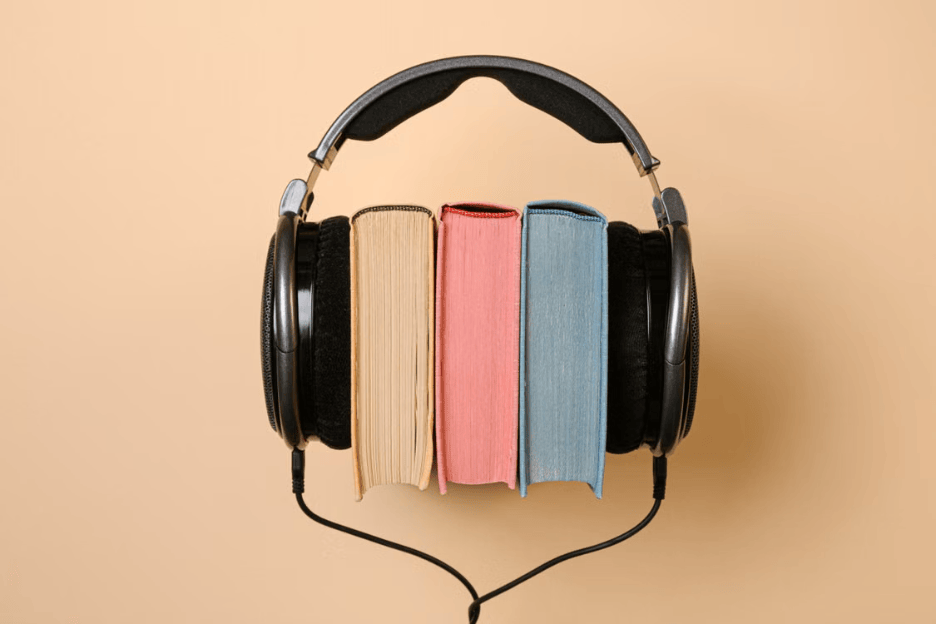
Headline image from Pexels

