
Alexander Johnson
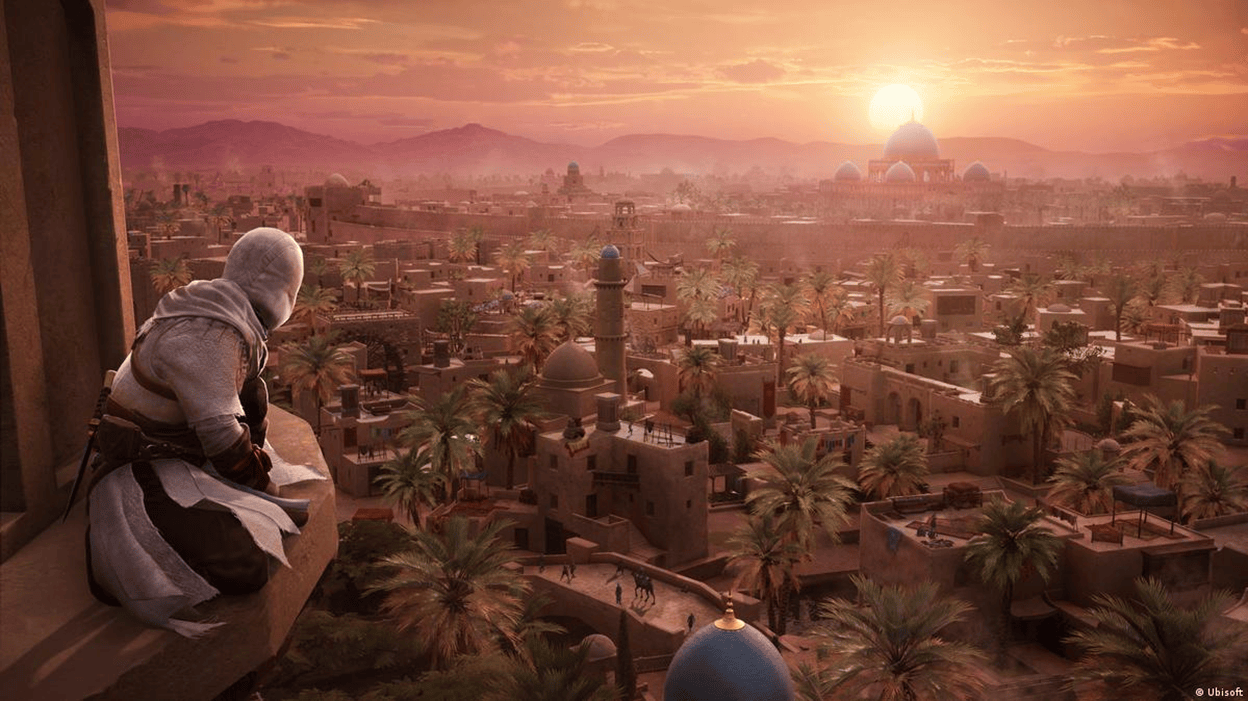
Many video game series try to improve with every new release, but Assassin’s Creed often feels like it is building on the same format. The series, first released in 2007, is an action-adventure franchise published by Ubisoft that allows players to explore historical settings, fight enemies, climb buildings, and assassinate targets. While each game introduces new mechanics, weapons, and features, the overall gameplay can still feel repetitive. Ubisoft’s approach to innovation usually relies on reusing its gameplay formula while adding different mechanics, environments, and RPG systems. While these changes initially give players new ways to experience the series and help them feel like they are accomplishing something, performing the same activities over and over again can gradually make them enjoy the game less.
The Same Gameplay Formula
Looking at the early Assassin’s Creed games, Ubisoft changed the characters and locations while keeping much of the gameplay the same. Assassin’s Creed II introduced Ezio Auditore and moved players through different cities in Renaissance Italy, while Brotherhood and Revelations continued his story in new locations. Those games introduced new features, but players were still spending time climbing buildings, following targets, collecting items, fighting Templars (the rivals of the assassins), and completing assassinations. This made each game recognizable as Assassin’s Creed, but it also meant that the overall experience did not change very much. Ubisoft has explained that its various Assassin’s Creed teams were given the goal of keeping each game fresh by adding something new, such as the Brotherhood system in Brotherhood and the hookblade in Revelations. However, these additions were still built around the same basic gameplay structure. Those changes, while allowing players to enjoy the familiarity of the series, can also make the games feel repetitive after they playing several of them.
New Features = Innovation?
Ubisoft did not simply release the exact same game every time. Instead, it often added features that made each new Assassin’s Creed feel different. For example, Assassin’s Creed Revelations introduced Ezio’s hookblade, which gave players new ways to move around the environment and interact with enemies. Assassin’s Creed III then moved to Colonial America and introduced a larger wilderness area, tree climbing, and naval combat. Assassin’s Creed: Black Flag took the naval system even further and made ships a major part of the game. What is interesting about these changes is that Ubisoft was not completely altering Assassin’s Creed. Instead, it took the same basic gameplay elements and added something new to them. The lead designer of Assassin’s Creed III also explained that naval gameplay was built around ideas of navigating and fighting that existed in the regular gameplay. These changes can give players something to look forward to while keeping the familiar gameplay that makes each game feel like Assassin’s Creed. However, they can eventually become repetitive if Ubisoft continues using the same ideas without making each game feel different, raising the question of how innovative those features actually are if they are being reused.
The RPG Formula and Other Ubisoft Games
Ubisoft eventually made a much larger change to Assassin’s Creed with Assassin’s Creed: Origins. After the series received criticism for repeating its formula, Origins moved toward an action RPG system with character levels, different weapons, gear, and rarities. Ubisoft described it as a new beginning with rebuilt combat and a large open world in Ancient Egypt, which was a smart shift in the series because it made the game feel different from the games that came before it. The problem appeared when Odyssey and Valhalla continued using this same RPG structure. Players were now exploring huge maps, completing quests, collecting equipment, leveling up, and fighting enemies with an RPG-style combat system. The focus also moved away from being an assassin and toward being a powerful RPG character. A similar pattern appeared in other Ubisoft games, including Far Cry, Watch Dogs, Ghost Recon, and The Division. These games often include activities such as capturing areas, collecting resources, and completing side quests. YouTubers such as Big Boss have discussed similarities between Ubisoft’s franchises. As Vaas states in Far Cry 3: “Insanity is doing the exact same thing over and over again [and] expecting [a situation] to change.” While Vaas was not talking about Ubisoft’s game design, the quote ironically fits the pattern in its games.
How to Fix the Problem with Ubisoft’s Innovation
To be sure, Ubisoft has created some of the most recognizable open world games on the market, and I do not think every alteration it has made has been bad. Assassin’s Creed III’s naval combat and Assassin’s Creed: Black Flag’s expanded ship gameplay are great examples of Ubisoft taking an existing idea and making it enjoyable. Assassin’s Creed: Origins also showed that Ubisoft was willing to completely change the combat and progression system in the series. The problem is that innovation can eventually become another formula.
As a game designer and someone who enjoys playing games, I think the Grand Theft Auto series, published by Rockstar Games, is a useful example of a franchise that avoids such a trap. Its games might look similar, but each one offers a different experience through its characters, stories, and locations. I think Rockstar Games is particularly talented at creating detailed settings that make players want to explore them. In fact, Grand Theft Auto V has been available for over a decade, and players are still returning to it. Another Rockstar Games title, Red Dead Redemption 2, is important to examine as well because players continue to praise it for how carefully designed its world is.
In closing, I think Ubisoft could learn from the approach Rockstar Games takes to its work. It should keep the familiar gameplay that makes Assassin’s Creed recognizable, such as climbing buildings, exploring historical locations, using stealth, and assassinating targets. However, Ubisoft could make these activities feel different depending on the setting. For instance, climbing buildings in larger cities could offer a different experience from exploring villages, forests, or other historical locations. The missions and side quests could also focus more on the history and the conflicts of each setting instead of repeating the same objectives. Those modifications would give players more reasons to explore each world while keeping the familiar gameplay elements that players enjoy in the series.
Headline image from DLCompare

